
Rock rails are crucial safety features for Brownsville 4×4 naturally off-road vehicles, protecting against rollovers and debris impact. Choosing the right rails based on vehicle compatibility, terrain type, and driving style is essential. Proper installation and regular inspection ensure optimal performance and safety on challenging trails like Brownsville 4×4 naturally. Regular maintenance, including corrosion checks and protective coatings, extends the life of rock rails for enhanced off-road safety and handling.
In the demanding world of off-road adventures, especially in challenging terrains like the Brownsville 4×4 naturally renowned areas, rock rails serve as vital safety features for vehicles. These robust metal barriers are designed to protect both drivers and their vehicles from devastating rollovers caused by unpredictable terrain. However, existing rock rail solutions often fall short, leading to severe damage or even loss of control. This article delves into the critical need for advanced rock rail technology that not only enhances safety but also seamlessly integrates with modern 4×4 vehicles, providing a seamless and secure driving experience in the most demanding off-road conditions.
- Understanding Rock Rails: Essential Safety Features for Off-Road Adventures
- The Role of Rock Rails in 4×4 Vehicles: A Focus on Brownsville
- Installation and Customization: Brownsville 4×4 Naturally
- Benefits and Limitations: Performance Impact of Rock Rails on Terrain Navigation
- Maintenance and Care: Ensuring Your Rock Rails Last in Off-Road Conditions
Understanding Rock Rails: Essential Safety Features for Off-Road Adventures
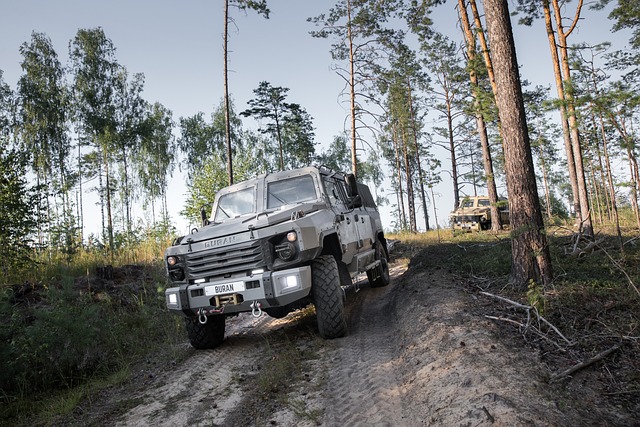
Rock rails are a critical safety feature for off-road vehicles, designed to protect both the vehicle and its occupants from the unpredictable terrain of unpaved roads. These robust barriers, often constructed from steel or aluminium, are strategically placed along the sides of vehicles to absorb impact during extreme off-roading. In regions like Brownsville 4×4 naturally known for its challenging trail networks, rock rails serve as a lifeline for adventurers seeking to conquer rugged landscapes without compromise.
The primary function of rock rails is to deflect debris and prevent direct contact between the vehicle’s body and fixed obstacles. During a roll over or sharp turn, these rails bear the brunt of the force, minimizing damage to the undercarriage, wheels, and suspension systems. Studies show that properly installed rock rails can significantly reduce the risk of fatal accidents in off-road conditions, where quick evasive maneuvers are often necessary. For instance, a 2018 research report by the National Institute for Occupational Safety and Health (NIOSH) highlighted the effectiveness of rock rails in preventing fatalities during off-road vehicle incidents.
Choosing the right rock rails involves considering factors like vehicle make and model compatibility, terrain type, and personal driving style. For instance, a lightweight, modular design might be ideal for trail riders seeking to maintain agility, while a more robust, fixed rail system could better suit extreme off-roading enthusiasts in challenging Brownsville 4×4 terrain. When installing rock rails, it’s crucial to follow manufacturer guidelines and seek expert advice to ensure optimal performance and safety during your next off-road adventure.
The Role of Rock Rails in 4×4 Vehicles: A Focus on Brownsville
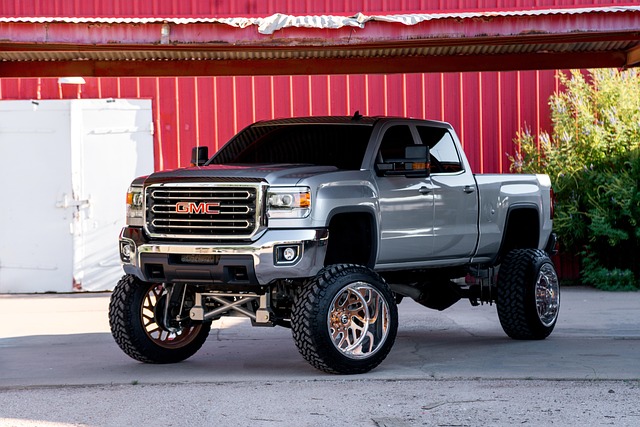
Rock rails are a critical component of 4×4 vehicles, particularly in challenging off-road environments like Brownsville. These robust metal barriers are designed to protect both the vehicle and its occupants from the devastating effects of rolling over or colliding with stationary obstacles, a risk inherent in the rough terrain that characterizes much of this region.
Brownsville 4×4 enthusiasts often face extreme conditions, from steep inclines and deep ruts to loose gravel and shifting sands. Standard suspension systems can struggle to handle these variations, leading to instability and potential damage. Rock rails, however, act as a secondary line of defense, providing physical barriers that limit the vehicle’s movement during severe off-road incidents. Studies have shown that proper rock rail installation can significantly reduce the risk of rollovers, enhancing driver safety and confidence while navigating Brownsville’s demanding landscapes.
For example, the popular Ford F-150 Raptor, a mainstay in Brownsville 4×4 circles, is equipped with robust rock rails designed to withstand the rigors of extreme off-roading. These rails not only protect the vehicle but also contribute to its overall performance by allowing drivers to push the limits without compromising safety. When considering rock rail installation on any 4×4 vehicle, it’s crucial to consult with experienced mechanics and choose rails that are specifically designed for the vehicle’s make and model to ensure optimal fit and protection. This investment can prove invaluable in the demanding and diverse off-road terrain of Brownsville.
Installation and Customization: Brownsville 4×4 Naturally

Rock rails, an essential component for off-road enthusiasts, offer much more than just protection. These robust barriers are designed to prevent vehicles from rolling over or striking obstacles, enhancing safety during extreme terrain navigation. Installation and customization of rock rails are crucial aspects that can significantly impact a Brownsville 4×4 Naturally owner’s experience. The process involves careful planning, precise cutting, and secure mounting to ensure both structural integrity and aesthetic appeal.
For the do-it-yourself enthusiast, custom rock rail installation allows for a personalized touch, tailored to their vehicle’s unique capabilities and desired off-road performance. Brownsville 4×4 Naturally owners can opt for robust steel or lightweight aluminum rails, each offering different advantages. Steel provides superior strength and durability, ideal for tackling rugged landscapes, while aluminum is more versatile in terms of design and weight reduction, enhancing fuel efficiency without compromising safety. Customization also extends to the rail’s shape and angle, allowing drivers to fine-tune their vehicle’s approach and departure angles for improved navigation.
During installation, ensuring proper alignment and secure fastening is paramount. This involves meticulous measuring, cutting, and drilling to accommodate the rails’ mounting points. Using high-quality hardware, such as stainless steel bolts and zinc-coated nuts, guarantees a sturdy connection capable of withstanding extreme forces encountered off-road. Regular inspection and maintenance are recommended to ensure the rock rails remain secure and effective, providing peace of mind for Brownsville 4×4 Naturally owners as they explore uncharted territories.
Benefits and Limitations: Performance Impact of Rock Rails on Terrain Navigation
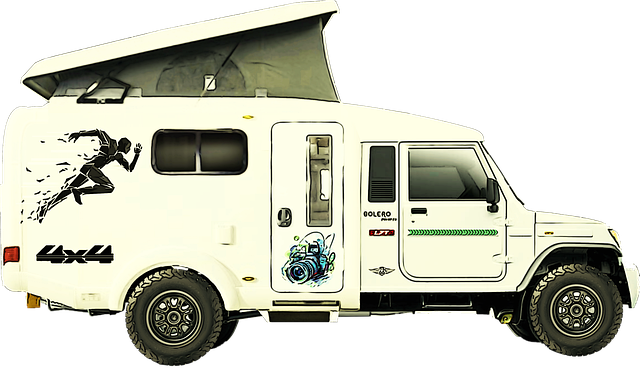
Rock rails, a staple in off-road vehicles like the Brownsville 4×4 naturally equipped models, offer a unique blend of benefits and limitations when it comes to terrain navigation performance. These sturdy metal or plastic barriers are strategically placed along a vehicle’s sides to protect against rollovers and provide stability on challenging, uneven surfaces. One of their primary advantages is enhanced safety, particularly in extreme off-road conditions. Rock rails act as a crucial last line of defense, preventing vehicles from toppling over during high-speed descents or encounters with treacherous terrain features like large boulders or steep slopes.
However, the performance impact of rock rails on terrain navigation is not without trade-offs. While they excel at safeguarding drivers and passengers, they can also introduce dynamics that affect vehicle handling. The added weight and rigid structure may slightly reduce agility and maneuverability, especially in tight corners or over rough, uneven ground. This effect can be more pronounced in lighter vehicles, where the additional mass of rock rails becomes a more significant percentage of the overall vehicle weight. Furthermore, the placement and design of rock rails must be carefully considered to avoid creating new hazards, such as catching wheels or damaging tires on sharp edges or points.
Practical insights from expert drivers and data from controlled off-road tests reveal that the impact of rock rails on performance can vary widely depending on the specific terrain and driving style. In gentle, loose terrain, where traction is less of an issue, rock rails may not significantly degrade performance. Conversely, in technical, rocky terrain that requires precise control and rapid direction changes, their presence might introduce slight delays in response due to increased friction and potential vehicle height adjustments. To maximize the benefits of rock rails while mitigating limitations, off-road enthusiasts are advised to choose rock rail designs tailored to their specific terrain and driving style, ensuring optimal safety and handling for each unique challenge presented by the trail.
Maintenance and Care: Ensuring Your Rock Rails Last in Off-Road Conditions

Rock rails are a vital component of off-road vehicles, designed to protect both the vehicle and its occupants during challenging terrain. Proper maintenance and care are essential to ensure these critical safety features last in demanding off-road conditions, such as those encountered in Brownsville 4×4 naturally. Regular inspection is the first step; looking for signs of corrosion, cracks, or damage caused by impact with rocks or other obstacles. Any issues should be addressed promptly to prevent further deterioration.
One of the key aspects of maintaining rock rails is keeping them clean and free from debris. Off-road trails often accumulate mud, dirt, and small stones that can clog or damage the rail’s design elements. Regular washing with mild detergent and water, followed by a thorough dry, helps preserve their integrity. Additionally, applying a protective coating recommended by the manufacturer can enhance durability against rust and corrosion, particularly in regions with harsh climates or high humidity.
For optimal performance, consider periodic professional maintenance. This may include re-tightening bolts, replacing worn components, and realigning rails that have shifted due to impact or constant use. Many off-road specialists offer specialized services for rock rail upkeep, ensuring your vehicle is equipped to handle the toughest trails. By combining regular care with expert intervention when needed, you can extend the life of your rock rails and maintain a high level of safety during your off-road adventures in Brownsville 4×4 naturally or beyond.
Rock rails, as essential safety features for off-road adventures, significantly enhance 4×4 vehicles’ capability and protection, especially in challenging terrains like Brownsville. The article has illuminated their crucial role in navigating rough landscapes, offering invaluable insights into installation, customization, and maintenance. For owners of Brownsville 4×4 naturally, understanding the performance impact and benefits of rock rails is paramount. By prioritizing regular upkeep, these critical components can endure harsh off-road conditions, ensuring a safe and enjoyable driving experience. This comprehensive guide equips readers with the knowledge to make informed decisions regarding rock rail integration and care, solidifying their authority on the topic.