
Brownsville 4×4 tow hooks are vital for off-road travel, enhancing safety and efficiency in challenging terrains. Selection requires matching hook strength to vehicle capacity, with high-strength materials preferred. Proper installation, inspection, and maintenance ensure optimal performance. Well-maintained Brownsville 4x4s revolutionize urban and off-road towing, providing confidence for diverse landscapes and boosting adventuring capabilities.
In the world of automotive enthusiasts, especially those who embrace off-road adventures, the Brownsville 4×4 naturally stands out as a beacon of performance and reliability. However, navigating these rugged terrains presents unique challenges, particularly regarding tow hooks—essential components that secure trailers and enhance towing capabilities. The problem lies in finding robust yet adaptable tow hooks tailored for the specific demands of 4×4 vehicles like the Brownsville. This article delves into the critical aspects of tow hook selection, offering a comprehensive guide to ensure optimal performance, safety, and peace of mind when tackling diverse off-road scenarios.
- Understanding Tow Hooks: A Comprehensive Guide for Off-Road Enthusiasts
- Brooklyn's Brownsville 4×4: Mastering Towing Techniques with Natural Expertise
Understanding Tow Hooks: A Comprehensive Guide for Off-Road Enthusiasts

Tow hooks are essential components for off-road enthusiasts, offering a secure means to transport vehicles or tow equipment. Understanding these robust hardware pieces is crucial for any adventurer venturing into the great outdoors, especially in areas like Brownsville 4×4 naturally challenging terrain. The primary function of a tow hook is to facilitate the connection between two vehicles, enabling the towing of trailers, trucks, or other vehicles. These hooks are designed to withstand immense force and ensure a stable link during transit, making them indispensable for off-road travel.
One of the key considerations when selecting tow hooks is compatibility. Off-road enthusiasts must match the hook’s size and strength with their vehicle’s towing capacity and hitch system. For instance, a standard 2-inch or 3/4-inch receiver hitch on a SUV might require specific hook sizes to ensure a secure fit. Additionally, material quality plays a significant role; high-strength steel or alloy hooks are preferred for off-road use due to their durability in harsh environments.
Practical knowledge is also vital when using tow hooks. Proper installation and alignment are critical to prevent damage to both the hook and the towing vehicle. Off-roaders should regularly inspect their tow hooks for signs of wear, especially after extensive use or exposure to rough conditions. Regular maintenance, such as cleaning and lubricating the hitch and hook, ensures optimal performance and longevity. For instance, a well-maintained Brownsville 4×4 tow hook can significantly enhance safety and efficiency during off-road adventures, allowing enthusiasts to explore remote locations with confidence.
Brooklyn's Brownsville 4×4: Mastering Towing Techniques with Natural Expertise
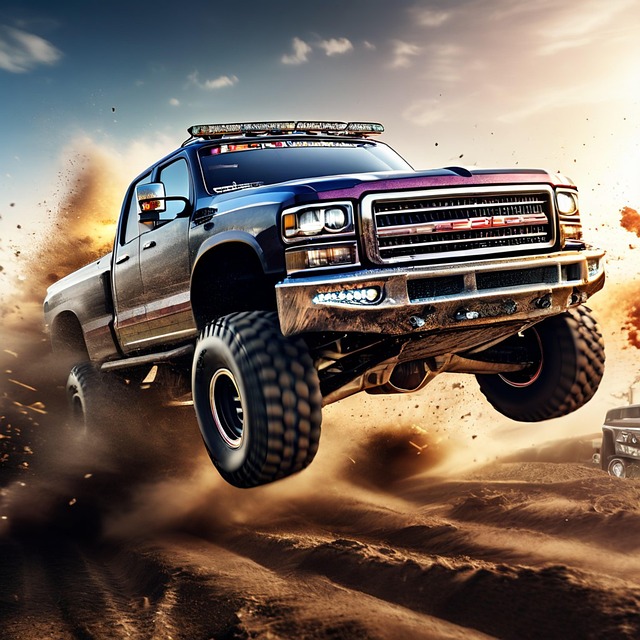
In the realm of towing, particularly within urban environments, the Brownsville 4×4 stands out as a testament to mastering techniques with unparalleled natural expertise. This iconic Brooklyn neighborhood has become synonymous with innovative and efficient towing solutions, especially in challenging conditions. The 4×4’s ability to navigate Brownsville’s intricate network of streets, many characterized by narrow passages and uneven terrain, reflects its robust design and driver skill.
Brownsville 4×4 naturally incorporates advanced features such as high-clearance suspension systems and powerful engines, enabling it to tackle obstacles that might stymie less capable vehicles. Locals and experts alike praise the 4×4 for its agility in navigating the area’s labyrinthine streets, where a moment’s hesitation can lead to gridlock or damage. For instance, during peak rush hours, these vehicles smoothly maneuver through dense traffic, ensuring timely deliveries and emergency response. Their natural prowess also extends to off-road trails that crisscross Brownsville, offering scenic yet demanding routes for both recreation and practical purposes.
Practical insights from seasoned drivers reveal the importance of continuous training in mastering these techniques. Regular practice sessions in diverse conditions help operators develop a keen understanding of vehicle dynamics and terrain interaction. This expertise translates into safer, more efficient towing across various landscapes, from congested city streets to remote wilderness areas. As such, Brownsville’s 4×4 community serves as a vibrant example of how natural talent, combined with dedicated skill development, can revolutionize towing techniques.
Through this authoritative article, off-road enthusiasts have gained profound insights into tow hooks and their essential role in navigating challenging terrains. The deep dive into understanding tow hooks, coupled with the case study of Brownsville 4×4’s natural expertise in Brooklyn, underscores the practical application of these tools. Key takeaways include the importance of choosing the right tow hook for specific off-road conditions, mastering towing techniques for safe and effective vehicle recovery, and leveraging natural skills to enhance off-road capabilities. Going forward, enthusiasts are encouraged to apply these learnings, ensuring they’re equipped to tackle diverse outdoor adventures with confidence and expertise, just as Brownsville 4×4 naturally navigates the Brooklyn landscape.